Find a Driving School for Road Skills
Step-by-Step Driving Lessons: Enroll in Our Expert-Led Driving Class Today!
Step-by-step driving lessons offer a structured approach to learning how to operate a vehicle. Signing up for a professionally guided course can greatly enhance a beginner's competence and assurance. The program is meticulously planned to cover both basic and advanced techniques, accommodating different skill levels. Being aware of what these lessons entail can prove tremendously beneficial. There are a number of important elements that support successful skill development and test readiness.
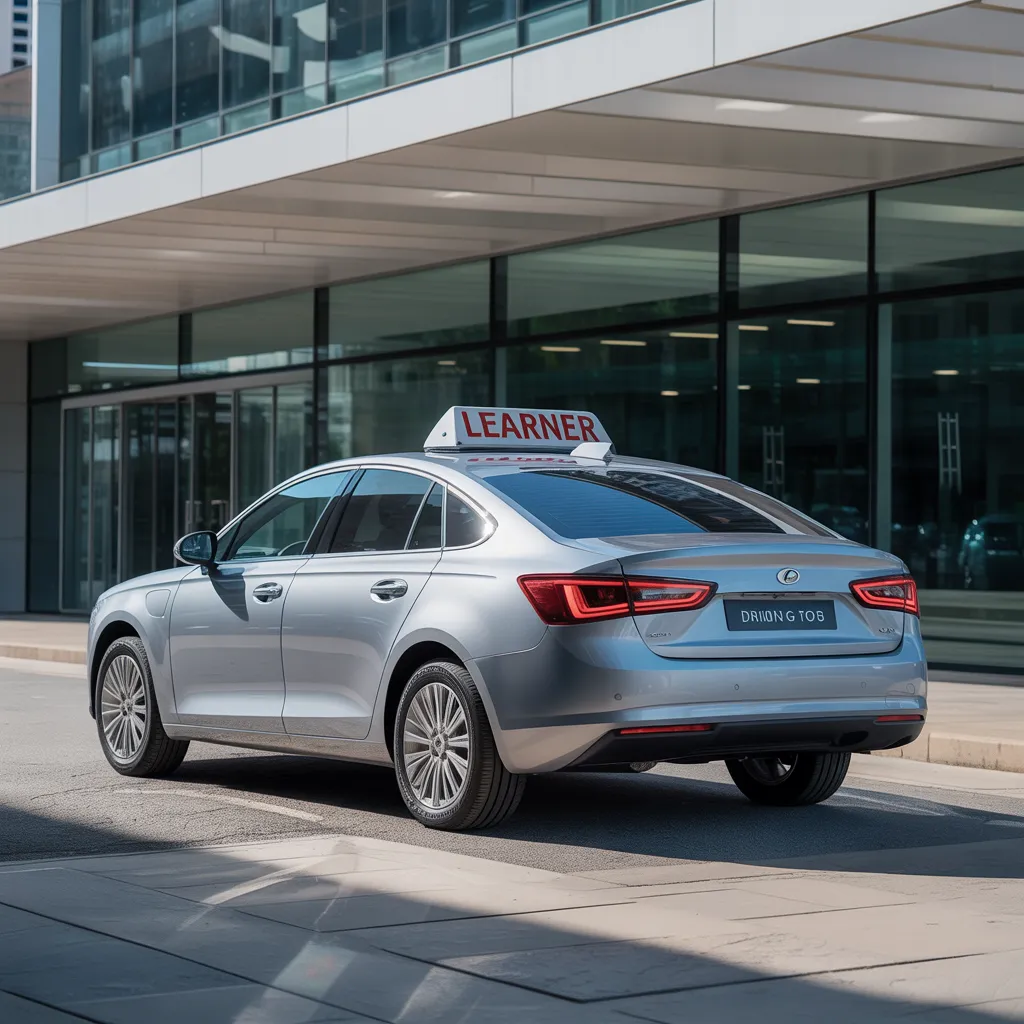
What to Expect in Your First Driving Class
Once a student enters their first driving lesson, they may experience a mix of anticipation and nervousness. The classroom environment, usually shared with fellow students, sets the stage for a significant experience. Driving educators typically begin with introductions, outlining the curriculum layout and safety guidelines. Students can anticipate receiving instructional materials, including manuals and handouts, which will function as Driving Lesson valuable references throughout their training.
The initial focus is primarily on learning about the vehicle's controls, essential road signs, and key traffic regulations. Teachers often highlight the significance of keeping a composed attitude while driving. Learners are invited to raise questions, creating a positive learning environment. Following the classroom instruction, many classes include hands-on practice, where learners get acquainted with the car in a safe environment. This integration of theoretical and practical training readies learners for the road ahead, instilling confidence as they begin their journey toward becoming competent and safety-conscious drivers.
Driving Course: Fundamentals to Advanced
A thorough driver training program covers a advancement from fundamental competencies to higher-level skills, so that drivers establish a solid base before addressing more demanding driving scenarios. At first, participants practice core vehicle management, including directional control, stopping techniques, and throttle control. Learners are taught key traffic regulations, street signs, and safe driving practices, providing a detailed understanding of the road rules.
When students exhibit proficiency in these basics, the curriculum advances to greater levels of skill. This encompasses navigating different road surfaces, handling challenging weather situations, and perfecting defensive driving strategies. In addition, learners are introduced to motorway navigation and challenging junctions, strengthening their capability to act decisively in challenging circumstances.
Across the course, teachers emphasize the importance of situational awareness and responsible driving behavior. This structured approach equips students not only to pass their driving tests but also to develop into skilled and assured drivers in a range of driving situations.
Building Confidence as a New Driver
Beginner drivers frequently encounter difficulties when it comes to building confidence on the road. The early stages of driving can feel daunting, as there are many responsibilities to handle and an ongoing demand for concentration. To alleviate anxiety, new drivers can benefit from practical, gradual exposure to various driving situations. Starting in low-traffic areas allows them to develop basic skills without the pressure of more complex environments.
Regular practice is essential; spending more time behind the wheel helps new drivers grow more at ease with their car and environment. Additionally, enrolling in expert-led driving classes offers structured learning and professional guidance, fostering a sense of security. Positive reinforcement from instructors and supportive peers can also enhance a new driver's self-esteem. Over time, as skills improve, new drivers will find their confidence grows, transforming driving from a challenging task into a more enjoyable and liberating experience.
How to Prepare for Your Driving Test
What is the best way for a new driver to prepare for their driving test? Preparation is essential for success. First, familiarizing oneself with the vehicle is important. New drivers must ensure they are comfortable operating all vehicle controls, such as lights, wipers, and signals. Next, practicing maneuvers such as parallel parking, three-point turns, and lane changes will enhance their skill set.
Additionally, going over the regional driving laws and guidelines can provide valuable insight into what the examiner will expect. Arranging a trial examination with a seasoned driving professional can simulate the actual test environment, thereby lowering test anxiety.
Finally, ensuring all essential documents are in order, such as the provisional permit and proof of identity, is critical. By implementing these measures, new drivers can approach their driving test with self-assurance, boosting their chances of clearing the test on their first go.
Frequently Asked Questions About Driving Lessons
What should prospective drivers know before starting lessons? A great number of individuals have frequent inquiries concerning the driving lesson process. First, they often wonder about the age requirements; the majority of regions require that students be a minimum of 16 years old to acquire a learner's permit. Another widely asked question involves the duration of each lesson; as a rule, each session is around one to two hours long, varying according to the student's skills and individual needs.
Future drivers often have questions about the fees involved in their lessons. Fees can range broadly based on where you live and the experience of your instructor. Moreover, many question whether they must bring their own vehicle; most driver training schools furnish automobiles equipped with dual controls for the safety of students.
Lastly, pupils often inquire about the course content. Thorough lessons usually cover core driving abilities, traffic regulations, and safe driving practices, ensuring that learners are well-prepared for both their driving test and real-world driving situations.
Why Choosing Expert-Led Driving Lessons Is a Smart Decision?
What makes expert-led driving lessons better than informal instruction? The response can be found in the quality and efficiency of the instruction delivered. Professional instructors have in-depth knowledge of driving methods, traffic regulations, and safety procedures, ensuring that learners receive thorough education. They utilize a well-organized curriculum that develops abilities step by step, making it easier for students to grasp complex concepts.
In addition, instructor-guided sessions often incorporate actual driving conditions, enabling students to handle various driving conditions with skill. Qualified instructors can deliver personalized feedback and corrections, which are invaluable for developing safe driving habits. Furthermore, their experience enables them to personalize sessions to personal learning preferences, enhancing knowledge retention and ability development.
Ultimately, professional instructors routinely remain informed about current regulations and developments in driver training, confirming that their methods adhere to the latest industry standards. This professionalism makes expert-led driving lessons a superior choice for those who aspire to become skilled drivers.

Popular Questions We Receive
At What Age Can I Begin Taking Driving Lessons?
Generally, learners can initiate taking driving lessons at the age of 16, although some regions allow students to begin at 15. It's necessary to verify local regulations regarding age restrictions for driving instruction.
Is It Possible to Book Driving Lessons on Weekends?
Weekend driving lessons are commonly offered, meeting the needs of different timetables. A large number of driving schools understand the popularity of weekend lessons, allowing students the flexibility to learn without conflicting with weekday commitments or responsibilities.
Is It Possible to Use My Own Vehicle for Driving Lessons?
Learners may typically use their own cars for driving instruction, as long as the car satisfies safety standards and is functioning properly. Driving instructors commonly recommend this approach to ensure familiarity and comfort during the learning process.
What Happens if I Miss a Class?
If a student misses a class, it may be necessary for them to reschedule or complete a makeup session. Attendance policies vary, so students are encouraged to consult with their instructor about any possible consequences or available options.
Can I Book Lessons for Automatic and Manual Cars?
Indeed, the course offers training for both manual and automatic cars. Learners can opt for their favorite transmission type, ensuring they get personalized instruction that fulfills their individual driving needs and preferences for training.